Flying High: Mastering the Graffiti Style Quote Design
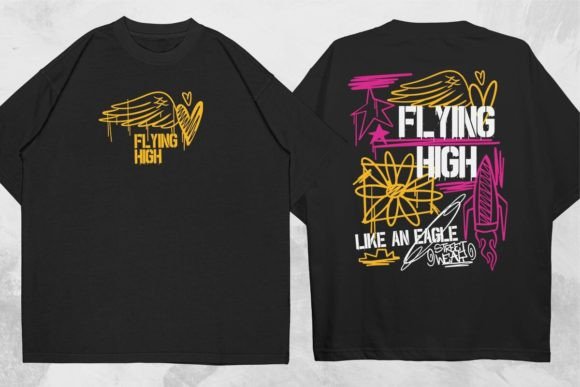
Imagine a design that doesn't just speak but shouts with raw energy and unapologetic style. The Flying High Quote Graffiti Style Design captures this very essence, transforming an inspirational message into a powerful visual statement that commands attention. This isn't just typography; it's a cultural artifact, a piece of street art ready to be digitized and deployed across your most creative projects. For designers, marketers, and creators, understanding how to harness this style is key to injecting authenticity and modern edge into any visual communication.
Understanding the Visual Language of Graffiti Typography
At its core, the graffiti style is a study in dynamic composition and expressive lettering. It breaks free from the rigid grid systems of traditional design, embracing fluid forms, bold outlines, and often a vibrant, layered color palette. This approach to typography does more than convey words; it communicates attitude, movement, and a sense of immediacy. In a digital landscape saturated with clean, minimalist fonts, a well-executed graffiti design cuts through the noise, offering a potent tool for brand identity that feels youthful, rebellious, and authentically connected to urban culture.
Practical Applications Across the Design Spectrum
The versatility of this asset makes it a valuable addition to any creative toolkit. Its impact is felt across numerous applications:
- Branding & Logo Design: Perfect for streetwear labels, music festivals, skate brands, or any company targeting a young, energetic demographic. It can serve as a primary logo element or a powerful secondary graphic.
- Marketing & Social Media: Create scroll-stopping graphics for Instagram stories, dynamic event posters, or eye-catching email headers. The style is inherently shareable and boosts engagement.
- Merchandise & Print Design: The provided formats (AI, EPS, SVG, PNG, JPEG, PDF) at 300 DPI make this design ideal for high-quality print design on t-shirts, hoodies, tote bags, and posters. Its scalability ensures crisp results for both screen printing and digital sublimation.
- Digital & Editorial Use: Integrate it into website hero sections, UI elements for a gaming app, or as a striking feature in magazine layouts and album covers to add texture and personality.
Integrating the Design Effectively: A Designer's Guide
Simply dropping a powerful graphic into a project isn't enough. To maximize its impact, thoughtful integration is crucial. First, consider visual hierarchy. The graffiti quote should be the focal point. Support it with cleaner, more neutral typography for secondary information to avoid visual clutter. Second, color theory is your ally. While the design may come with a preset palette, don't be afraid to adapt it. Use the graffiti's primary colors as accents throughout your layout to create a cohesive color palette, ensuring the design feels intentional rather than pasted on.
Furthermore, context is king. This style excels in projects that value energy and attitude. It may be less suited for a corporate law firm's annual report but is a perfect match for a fitness brand's motivational campaign or a music artist's merchandise. Always align the design's tone with your project's communication goals and audience expectations. The ability to apply it on any t-shirt color, as noted with this specific asset, provides immense flexibility for merchandise and branding consistency.
Elevating Your Creative Workflow
Quality creative assets like the Flying High design streamline the design workflow. Instead of spending hours crafting custom lettering from scratch, you start with a professional, ready-to-use foundation. This allows you to focus on composition, context, and integration—where the real creative problem-solving happens. For businesses and creators engaged in Print on Demand or mass production, having a file that is explicitly allowed for unlimited copies removes legal hurdles and scales effortlessly with demand.
Ultimately, the power of a graphic like this lies in its ability to bridge the gap between art and message. It demonstrates that visual communication can be both meaningful and aesthetically compelling. By selecting high-quality, versatile assets and applying them with strategic intent, you elevate not just the look of your project, but its ability to connect, resonate, and inspire. Thoughtful design choices are what transform a simple idea into a memorable experience.